

Office movers and business relocation
Commercial moving planned around your business.
A well-run business move starts before the truck arrives. We plan around your inventory, building access, departments, and deadlines so each handoff is clear.
Tell us both addresses, the moving window, building rules, and what must be ready first.
Office relocation is a sequence
Move the workplace, not just the furniture.
Employees need to know what to pack, facilities teams need an access plan, and the destination needs a room-by-room placement map. We begin with those details instead of treating every business move as a standard household pickup.
Share the items moving, what will stay, the order departments should reopen, and the property manager’s requirements. We can then discuss crew size, trucks, packing, protection, disassembly, and timing. The written estimate should identify each included service and any work your team or another vendor will handle.
Plan my business move →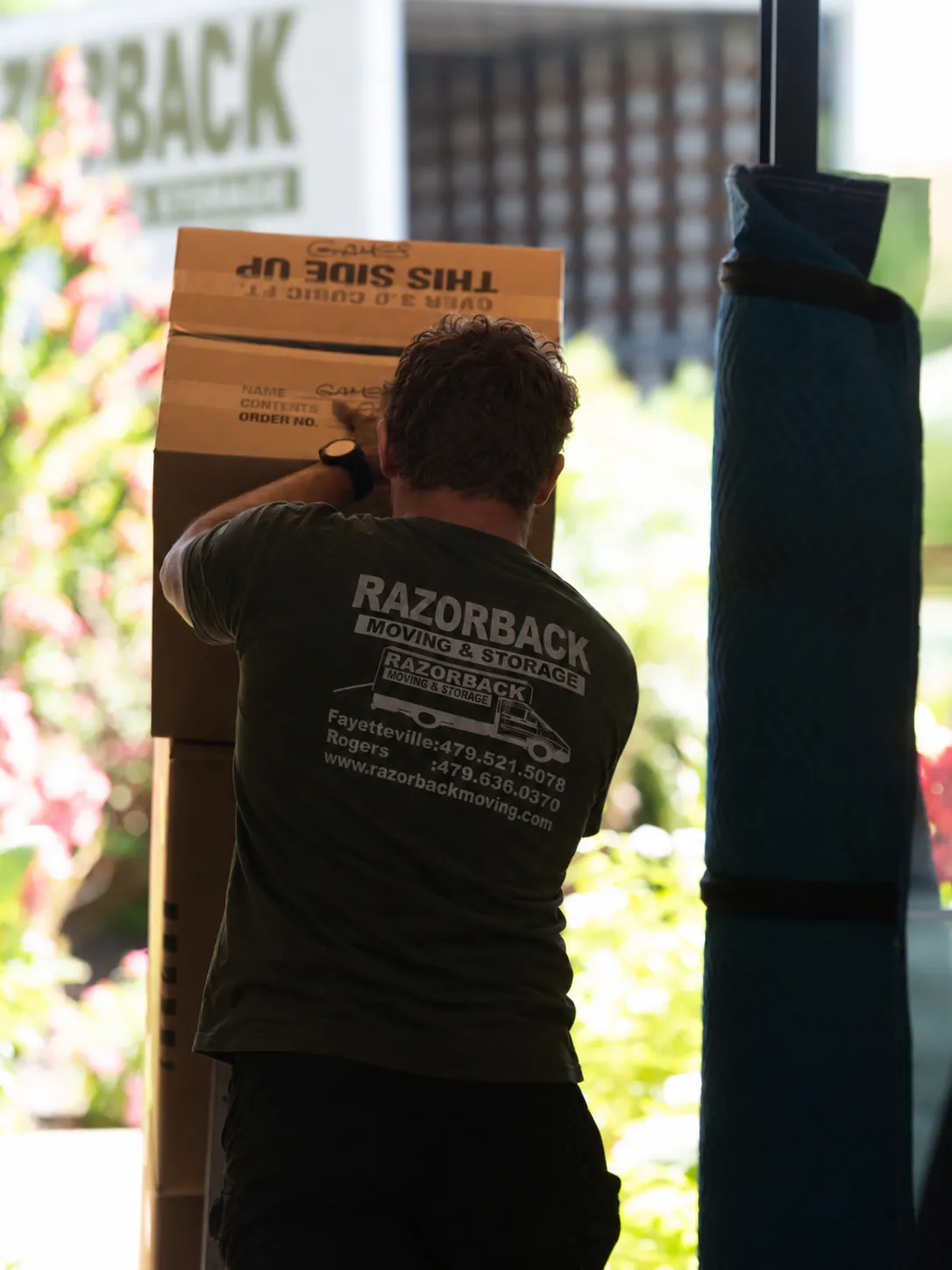
Commercial moving services
Moving support for different workspaces.
The scope depends on your property, access, schedule, and location. Tell us which of these services you need so they can be reviewed in the quote.
Office relocations
Desks, chairs, boxed documents, meeting-room furniture, and shared supplies moved against a destination plan.
Retail moves
Store fixtures, boxed inventory, displays, and back-room contents with opening deadlines and access windows in mind.
Department moves
Work groups moved in a defined sequence, including intra-building shifts or a staged relocation to a new site.
Packing and protection
Discuss full or partial packing, materials, furniture protection, and preparation of fragile or bulky pieces.
Labor and loading
Ask about a crew to load or unload a rental truck or container when your business arranges the transport.
Long-distance business moves
Share both addresses and delivery requirements for a qualifying intercity or interstate move.

The move brief
Details that make a commercial estimate useful.
- Origin and destination addresses, floors, and suite numbers.
- Inventory by department, including furniture and boxed materials.
- Photos, dimensions, and weights for large or unusual pieces.
- Loading dock, elevator, parking, carrying-route, and COI requirements.
- Preferred move date, building hours, and reopening deadline.
- What needs packing, disassembly, storage, or multiple trips.
- A site contact at each location and a destination floor plan.
Flag network hardware, sensitive records, specialty equipment, and heavy machinery early. Technical installation and specialized rigging are not included unless expressly agreed.
Razorback crews at work
Physical work, organized for the site.
Real crew photos show carrying, item protection, and loading. Your move plan should translate that work into the right order for each department and destination.

The relocation sequence
Four checkpoints from survey to reoccupancy.
Define the scope
Record inventory, special handling, building access, dates, and the work each vendor owns.
Prepare and label
Assign destinations for furniture and cartons, prepare equipment, and confirm building reservations.
Load and transport
Follow the agreed sequence so priority items are accessible at delivery.
Place and review
Use the floor plan to guide placement and have a business contact review the completed scope.
Keep responsibilities clear
Your business, building, IT team, and movers each have a role.
Razorback handles the physical moving work described in the estimate. Your business can appoint a move coordinator to approve priorities and final placement. Building management controls reservations and access requirements. Your IT provider should handle data backups, disconnections, and system setup unless a separate written scope says otherwise.
For a phased move, designate what must be operational first and how unopened cartons should be identified. For a single-day move, prepare a room map and a point of contact at both ends. These small decisions can prevent avoidable confusion on moving day.
Commercial moving questions
Office and business moving FAQs.
Services, staffing, timing, and pricing vary by location and written scope.
What does a commercial moving company move?
Commercial moves can include office furniture, boxed records, workstations, retail fixtures, supplies, and other approved business property. Send an inventory so the exact scope can be confirmed.
Do you move offices of different sizes?
We can review a single suite, a growing office, or a larger multi-department relocation. The crew, vehicles, schedule, and cost depend on the actual inventory and building access.
Can you move a business without a long shutdown?
Share your operating hours and critical deadlines. A phased plan or an after-hours window may be possible depending on local availability; we cannot promise zero downtime.
Do you offer evening or weekend office moves?
Ask about your preferred window early. Evening and weekend service depends on the local team, the building rules, and the written booking.
Can you move workstations and office furniture?
Provide counts, dimensions, photos, and any manufacturer instructions for desks, tables, chairs, cabinets, and workstations. Disassembly and reassembly must be included in the agreed scope.
Will movers disconnect computers and networks?
Technical disconnection, reconnection, data backup, and network setup are not standard moving tasks. Have your IT provider prepare equipment and confirm any physical handling needs with us.
How should we prepare computers and monitors?
Back up data, disconnect and label cables, secure accessories, and identify fragile equipment. Ask what packing materials and handling services are available for your job.
Can you move files and business records?
Box and label records by department and destination. For sensitive information, define custody and access requirements in advance; secure document handling is not implied by a standard move.
Can you move a retail store?
Tell us about displays, shelving, inventory, back-room items, signage, and the opening deadline. Fixture assembly or installation should be discussed separately.
Do you handle warehouse or light-industrial moves?
Share a detailed item list with weights, dimensions, loading requirements, and any equipment restrictions. Heavy machinery, hazardous materials, and specialized rigging require separate review and may be outside scope.
Can you move between multiple locations?
List every pickup and delivery address, access window, contact, and inventory by stop. The team can determine whether a multi-stop route fits the schedule.
Can you relocate departments in phases?
Yes, ask about separating the move into work groups or dates. Labeling, priority order, building access, and crew availability will shape the written plan.
What if our building requires a certificate of insurance?
Send the building’s COI wording and deadline before scheduling. We can review the request and confirm whether the required documentation can be provided for the move.
Can you coordinate with a property manager?
Give us the dock instructions, elevator reservation, loading hours, parking limits, and property contact. We can incorporate those rules into the moving plan.
How do you plan for elevators and loading docks?
We ask about freight-elevator size and reservations, dock height, truck access, carrying distance, and required protection. These details influence staffing and timing.
Do you protect doors, floors, and furniture?
Tell us the building requirements and identify delicate surfaces. We will discuss available protection and the handling approach for the quoted move.
Can you pack an office?
Ask about full or partial packing for supplies, files, common areas, and suitable equipment. The packing scope and materials should be listed in the estimate.
Can you label items by room or department?
A destination plan helps the crew place items efficiently. Your team should label boxes and furniture consistently; share the floor plan and any priority placement instructions.
What should be on an office move inventory?
Count furniture, boxed materials, equipment, specialty pieces, and anything needing disassembly. Include photos, dimensions, weights, and the intended destination for large items.
How is a commercial moving quote calculated?
The estimate depends on inventory, labor, route, truck needs, packing, access, timing, and any special handling. The written quote should identify what is included.
Can you provide moving labor without a truck?
Ask about labor-only service if you have a rental truck, container, or trailer. Clarify who supplies equipment and which loading or unloading tasks are included.
Can you move a business across state lines?
Qualifying long-distance business moves can be reviewed. Provide origin, destination, inventory, dates, and delivery requirements so the team can evaluate the route.
How far ahead should we schedule?
Contact us once the date and building access windows are known. Larger or phased moves need more planning time, and a booking is not confirmed until the team accepts it.
What happens on moving day?
The crew follows the agreed inventory and access plan, loads and transports the approved items, and places them at the destination as scoped. Have one business contact available for decisions and a final walkthrough.
Related services
Choose the services your relocation actually needs.
Ready to plan the next workplace?
Tell us what the business needs to move.
Send your locations, date, inventory, access rules, and operational deadline. We will review the scope and follow up with a quote.