
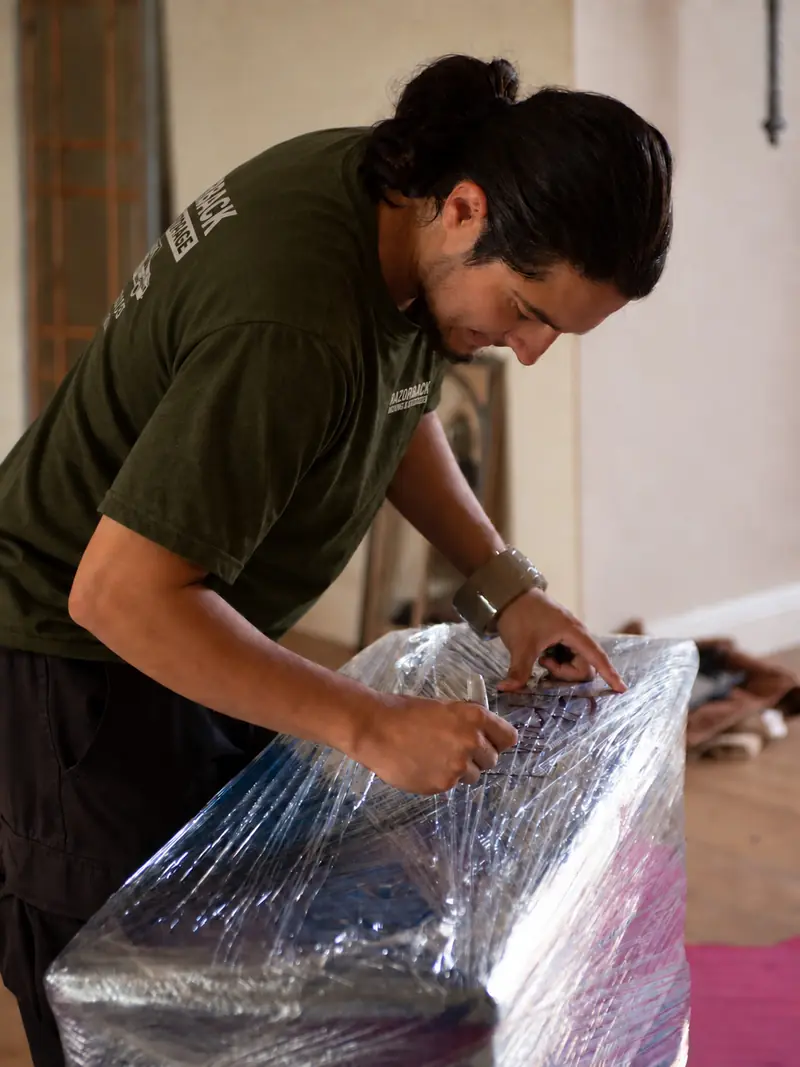
Protection tailored to the piece
Antique movers for furniture with a story.
From a carved cabinet to a family heirloom, every older piece has its own condition, construction, and access needs. We plan wrapping, lifting, loading, transport, and placement around the actual item.
Share photos and condition details before booking. Specialty handling and protection options are confirmed in the written scope.
Start with the item itself
Antique furniture is not a standard box.
A glass-front cabinet, roll-top desk, carved table, and upholstered heirloom have different points of vulnerability. Older joints may be loose, veneer may be lifting, and finishes may react poorly to pressure or direct contact with some packing materials. The right starting point is a clear record of the piece as it exists today.
Send full-view and close-up photographs, dimensions, estimated weight, any maker information, and notes about repairs or prior damage. Tell us which drawers, shelves, doors, keys, and hardware can be removed. Those details help define whether the move needs extra packing, a particular orientation, a larger crew, or a separate specialist.

What changes the plan
Six details that matter before moving day.
Construction
Joints, veneer, carvings, legs, glass, stone, and old repairs can affect how a piece is lifted and supported.
Condition
Existing cracks, loose parts, finish wear, and unstable hardware should be photographed before packing.
Protection
Padding, barriers, cartons, or crating are considered for the item rather than assumed from a generic checklist.
Access
Doorways, stairs, elevators, landings, parking, and the route to the truck need measured review.
Transport
Loading position, securement, transfer points, distance, and timing shape the handling plan.
Destination
Confirm the receiving route, exact room, floor protection, and placement before the crew arrives.

Packing and handling
Protect what cannot simply be replaced.
Clear the piece of its contents and identify anything detachable. Removable glass, shelves, keys, and small hardware should be labeled and packed appropriately. Drawers or doors that remain in place need a deliberate restraint plan that does not damage original surfaces. Wrap choices should account for finish, edge detail, and the length of the route.
For particularly fragile, rare, or high-value objects, ask whether a conservator, fine-art packer, qualified clock professional, or custom-crating provider should be involved. Those services are not automatically part of a standard moving quote; they belong in the written plan if needed.
Before the truck arrives
Prepare a useful antique inventory.
Photos and notes help us quote the work and avoid guessing about the piece's condition or access. Include these details for each item:
- Full photographs and close-ups of fragile or previously repaired areas.
- Height, width, depth, approximate weight, and any detachable components.
- Materials and finishes, including glass, marble, mirrors, veneer, and upholstery.
- Pickup and delivery addresses, floor levels, stairs, elevators, and parking.
- The desired destination room, placement, and any building restrictions.
- Any appraisal, insurer, or conservator documentation relevant to handling.
Keep your own condition photos and discuss available valuation or protection options before the move. A moving estimate is not an appraisal or a guarantee of full-value coverage.
A clear sequence
How we plan an antique move.
Document
List each item and share dimensions, photos, condition concerns, and detachable parts.
Measure
Review the pickup and delivery routes, truck access, stairs, turns, and landing spaces.
Agree
Confirm packing, crew, materials, transport, placement, exclusions, and price in writing.
Inspect
At delivery, place the piece as agreed and inspect it with the crew before sign-off.
Local or longer distance
Match the plan to the route.
An antique moving across town may still need careful stair and doorway planning. A longer-distance move adds time in transit and makes securement, transfer points, scheduling, and delivery access even more important. If pieces are going to multiple recipients after an estate transition, give us a destination-by-destination inventory so each item has a clear handoff.
Razorback serves multiple markets. Availability, crew, packing methods, and any third-party specialists depend on the origin, destination, and piece. We will confirm the scope before presenting a quote.
Tell us about the item →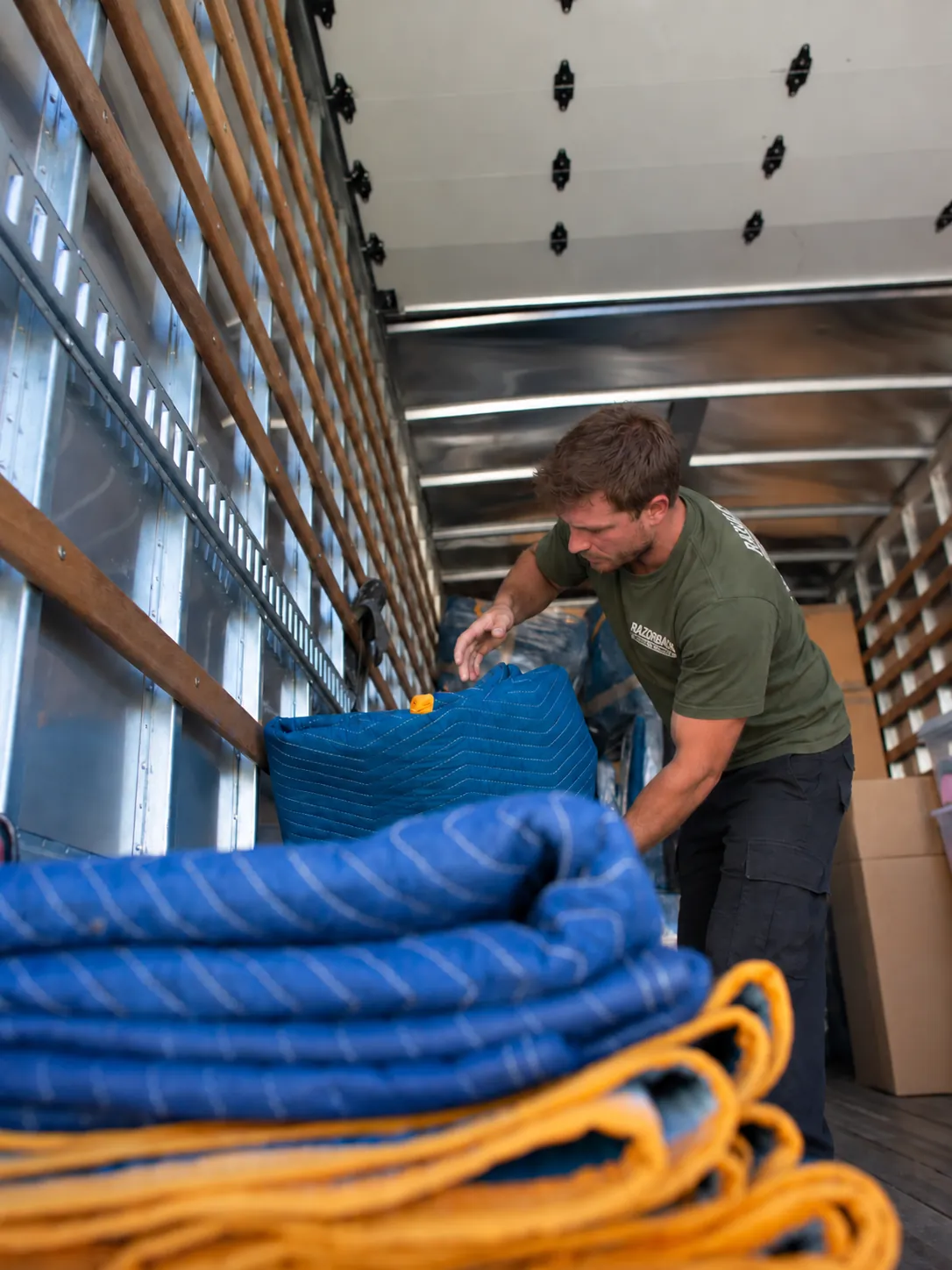
Related help
Plan the rest of your move.
Antique moving questions
24 antique furniture moving FAQs.
These answers describe planning topics. The exact service and protection available for your item must be confirmed with the team.
Do you move antique furniture?
Tell us about each piece, its dimensions, condition, finish, and access at both locations. We will review the handling requirements and confirm what can be included in the written move plan.
What types of antiques can you help move?
Customers ask about cabinets, desks, tables, chairs, chests, clocks, heirlooms, and other older pieces. The actual plan depends on fragility, size, weight, value, condition, and route.
How do I get a quote for an antique move?
Send photographs of the entire piece and close-ups of joints, glass, doors, hardware, damage, and maker labels if relevant. Include dimensions, both addresses, stairs, parking, and your preferred date.
Should I tell you about existing damage?
Yes. Photograph scratches, loose veneer, cracks, repaired joints, and other existing conditions before packing. Discuss any vulnerable areas so the handling plan reflects the piece as it is.
Can you pack fragile antique furniture?
Packing and wrapping can be discussed as part of the quote. The material and method should be chosen for the item, its finish, condition, and travel distance rather than assumed from a standard furniture move.
Do you use moving blankets?
Blankets may be suitable for some pieces, but direct contact or pressure may not be right for every finish or protruding detail. The crew should choose appropriate layers and securement for the specific item.
Will you wrap antique wood with plastic?
Not automatically. Plastic in direct contact with a delicate or unstable finish can be inappropriate. Share photos and any conservator guidance so the protection method can be agreed before moving day.
Can glass shelves be moved inside a cabinet?
Removable glass, shelves, keys, and loose hardware are generally best identified and packed separately where practical. Confirm the plan for your particular cabinet during the estimate.
Do you remove doors or drawers?
Only when appropriate and agreed. Some older joinery and hardware can be fragile. Photograph the piece, discuss what can safely be removed, and keep small components labeled.
Can you move a grandfather clock?
Clock movements, weights, pendulums, and cases require special preparation. Provide the model and photos; a qualified clock professional may need to prepare or recommission the movement.
Do you move antique pianos?
Pianos need an instrument-specific plan. Share the model and access details and see our piano moving page for the handling and quote process.
What about marble or stone tops?
Stone can be heavy and vulnerable at edges or existing cracks. Tell us whether the top detaches and send dimensions and photos so lifting, separation, and protection can be evaluated.
Can you move an antique through narrow doors?
We measure the piece and the entire route, including turns, stairs, landings, and door clearances. If the route is unsuitable, we will discuss alternatives rather than assume a safe fit.
Will you protect floors and doorways?
Home protection should be discussed during planning. Tell us about sensitive floors, narrow halls, tight stairwells, and building rules so the crew can prepare suitable materials.
Can antiques be moved long distance?
Longer routes make packing, loading position, securement, transit time, and delivery access especially important. Share both addresses and the inventory for a route-specific quote.
Can you help with an estate move?
We can discuss an inventory-led move for selected furniture and belongings. Identify what is going to each destination and any sale, storage, or disposal arrangements handled by other parties.
Do you provide custom crating?
If a piece warrants a crate, ask about availability and the exact scope in writing. Crating is not included by default and may need a specialist provider or additional lead time.
Can you move paintings and framed art?
Describe size, glazing, frame condition, and any conservation concerns. Art may need specialty packing or a dedicated fine-art provider, depending on the piece.
How should I prepare an antique before pickup?
Empty contents, identify removable parts, take condition photos, share handling concerns, and clear the route. Do not attempt repairs or disassembly that could damage original materials.
Should I polish furniture before moving?
Avoid applying new polish or cleaner immediately before packing unless advised by a qualified conservator. Some products can affect finishes or interact with protective materials.
What affects the cost?
Inventory, dimensions, weight, fragility, packing materials, crew, access, distance, travel, and any third-party work all affect an estimate. An item list and photos support a more useful quote.
Is my antique automatically insured for its full value?
Do not assume that. Ask for the available valuation or protection options, exclusions, documentation requirements, and claim process before booking, especially for high-value pieces.
Do I need an appraisal?
An appraisal may be useful for high-value items or for your own insurance records. Ask your insurer or appraiser what documentation is appropriate; an appraisal is separate from the moving quote.
What happens at delivery?
The team follows the agreed placement plan, checks access, and gives you an opportunity to inspect the item. Any assembly, installation, or specialist recommissioning should be documented separately.
Have an heirloom to relocate?
Show us the piece and the route.
Send photos, dimensions, both addresses, and your preferred date. Tell us which details need extra care, and we will follow up with a move plan and quote.